Older homes in Southwest Pennsylvania have a unique charm, but they often come with challenges when it comes to modern heating and cooling systems. Many of these homes were built before energy-efficient designs became standard, and outdated ductwork, insulation, or HVAC units can lead to higher utility bills and uneven temperatures. Homeowners looking to enhance comfort without undergoing a full remodel can take practical steps to improve HVAC efficiency while preserving the character of their home.
Assess Your Current System
The first step in improving HVAC efficiency in older homes is to understand the condition of your existing system. Older furnaces, air conditioners, and heat pumps often struggle to perform at peak levels, especially if maintenance has been neglected. Hiring a professional HVAC technician to evaluate your system can identify key issues, such as clogged filters, worn-out components, or improperly sized units. Additionally, older homes may have ductwork that is leaky or poorly insulated, which can dramatically reduce system performance. Once these areas are assessed, homeowners can make informed decisions about whether to repair, replace, or upgrade components to enhance overall efficiency.
Upgrade Insulation and Sealing
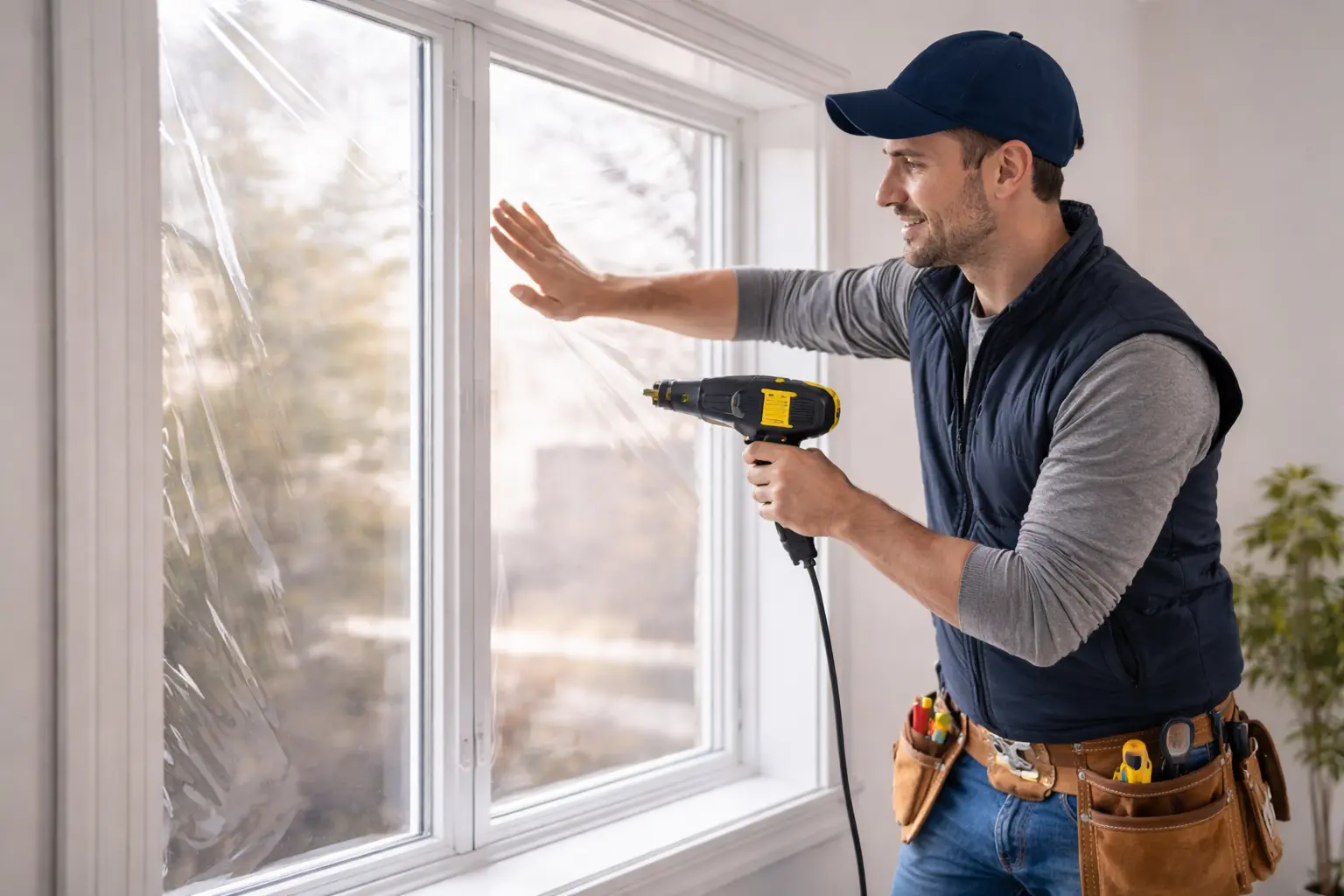
A major factor affecting HVAC efficiency in older homes is inadequate insulation. Many older homes were built with minimal insulation in walls, attics, or crawl spaces, allowing heat to escape during winter and cool air to leak during summer. Improving insulation in these areas can significantly reduce the load on your HVAC system. Additionally, sealing gaps around windows, doors, and other openings prevents unwanted drafts and keeps conditioned air where it belongs. Weatherstripping and caulking are cost-effective measures that make a noticeable difference in comfort and energy bills. For homeowners considering more extensive renovations, blown-in insulation or spray foam options can provide even greater improvements in energy retention.
Consider Modern Upgrades
In addition to insulation and sealing, installing modern HVAC technologies can help older homes achieve better performance. Programmable or smart thermostats allow homeowners to optimize heating and cooling schedules, reducing waste when rooms are unoccupied. Upgrading to high-efficiency furnaces or air conditioners, even within existing ductwork, can also improve temperature consistency and reduce energy costs. For homes with outdated ductwork, adding a ductless mini-split system in specific zones can provide targeted heating and cooling without requiring a full system overhaul. Regular maintenance, including cleaning coils and checking refrigerant levels, ensures that these systems continue to run efficiently. By combining strategic upgrades with routine care, homeowners can maintain comfort and prolong the life of their HVAC investments.
Older homes in Southwest Pennsylvania present both challenges and opportunities when it comes to energy efficiency. From assessing the current system to improving insulation and incorporating modern upgrades, there are multiple ways to enhance comfort and reduce energy costs. Taking these steps not only improves the performance of your home but also helps protect long-term property value. With careful planning and attention to detail, even homes built decades ago can enjoy the benefits of a well-functioning, energy-efficient heating and cooling system, ultimately boosting HVAC efficiency and homeowner satisfaction.