
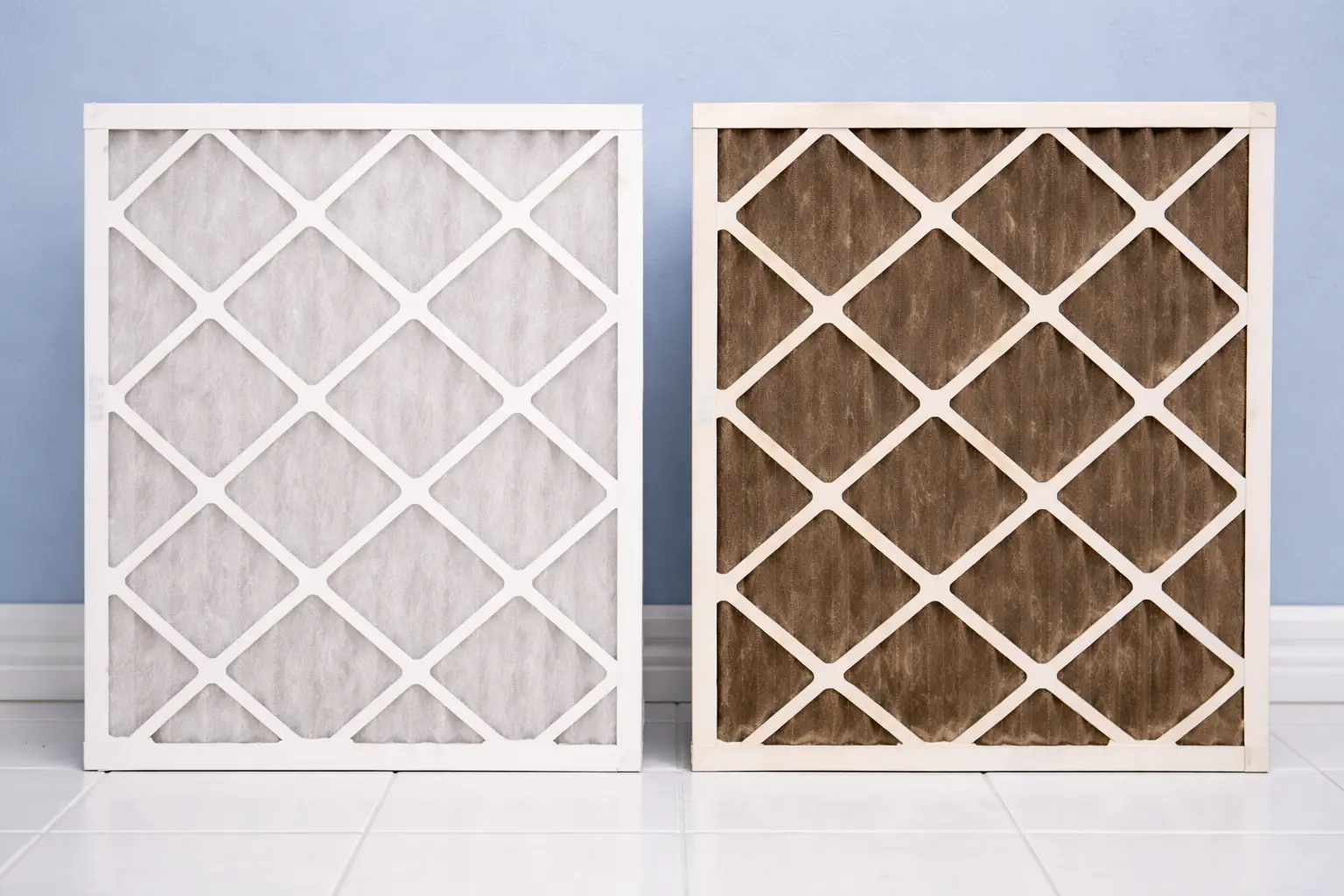
Your HVAC system’s air filter plays a critical role in maintaining both air quality and system efficiency. It traps dust, pollen, pet dander, and other airborne particles that would otherwise circulate through your home. Over time, though, the filter becomes clogged, forcing your system to work harder to maintain airflow. This can lead to higher energy bills, reduced comfort, and even long-term damage to the unit. The key to avoiding these problems is knowing how often to replace your air filter—and that timeline can vary more than most people realize.
Factors That Affect Air Filter Replacement Frequency
The general recommendation is every 30 to 90 days, but that’s not a one-size-fits-all rule. How frequently your filter should be changed depends on several unique factors, including your home environment, the type of filter you use, and how much your HVAC system is running. For example, if you have pets that shed, your filter will likely clog more quickly due to pet hair and dander. Similarly, if someone in your household has allergies, more frequent changes can help reduce symptoms by improving indoor air quality. Homes in dusty or high-pollen areas may also see faster accumulation on filters, requiring more frequent attention.
How to Tell It’s Time to Replace
The type of filter also plays a major role. Basic fiberglass filters are usually cheaper but have shorter lifespans and less effective filtration. High-efficiency pleated filters last longer and trap smaller particles but can become clogged if neglected. The more efficient the filter, the more critical it is to monitor its condition regularly. Another factor is how often your HVAC system is in use. A system that runs daily, especially during extreme weather, will accumulate dirt more quickly than one used only occasionally.
If you’re unsure whether it’s time to change it, there are several signs to watch for. A noticeable drop in airflow from your vents, more dust around the house, or an unexplained rise in your energy bills may all indicate a clogged filter. Allergies flaring up or a musty odor in the air can also point to reduced air quality. Visually inspecting the filter is a quick and easy step—if it looks gray or filled with dust and debris, it’s probably overdue.
One often overlooked sign is the sound of your HVAC system. If it’s straining or louder than usual, the motor could be working harder due to restricted airflow. Another tip is to hold the filter up to a light—if you can’t see any light passing through, it’s time for a new one. These indicators are your HVAC system’s way of alerting you that it’s not operating as efficiently as it should.
Smart Thermostats Can Help You
Smart thermostats do more than control temperature. They actively help homeowners maintain healthier and more efficient HVAC systems. Many modern smart thermostats track system runtime, airflow patterns, and usage cycles to estimate filter wear and automatically alert you when it’s time to replace your air filter. This removes the guesswork from routine maintenance and helps prevent restricted airflow, unnecessary system strain, and reduced indoor air quality. By prompting timely filter changes, smart thermostats improve comfort, reduce energy costs, and help extend the life of your HVAC equipment.
Final Tip
As a final tip, mark your calendar or set reminders to replace your air filter based on your home’s specific needs. Whether it’s every month or every three months, consistency is more important than sticking rigidly to a generic schedule. Regular changes not only improve air quality but also extend the life of your system, saving you from costly repairs down the road. Making this simple maintenance task a regular habit is one of the easiest ways to protect your HVAC investment and keep your home comfortable year-round.