Have you ever noticed some rooms in your home feeling much cooler or warmer than others? This common issue can lead to discomfort and higher energy bills as your heating or cooling system works harder to maintain a consistent temperature throughout your living space. Understanding why certain areas don’t maintain the same temperature and knowing what steps you can take to address uneven cooling can help restore comfort and efficiency in your home.
What Causes Uneven AC?
Several factors can lead to temperature differences inside a house. One major cause is poor airflow. If air vents are blocked by furniture, curtains, or dust buildup, the conditioned air can’t circulate properly, leaving some rooms warmer or cooler than intended. Additionally, poorly insulated walls, ceilings, or windows allow heat to escape in winter or enter in summer, causing rooms to have different temperatures. The design of your home also plays a role; for instance, rooms that receive direct sunlight through large windows can get warmer, while interior rooms or those with less exposure to the sun may stay cooler. HVAC system issues such as improperly sized equipment or ductwork leaks can also prevent air from reaching all areas evenly.
Fixes You Can Try Yourself
Before calling in a professional, there are several steps homeowners can take to improve temperature consistency. Start by inspecting your air vents and registers throughout the home. Make sure they are open and unobstructed by furniture or other objects. Cleaning vents and replacing air filters regularly can also help improve airflow. You can adjust the direction of the vents to better distribute air in problem areas. Another simple solution is to use fans strategically to help circulate air from warmer to cooler rooms or vice versa.
Sealing windows and doors with weatherstripping or caulking can prevent drafts and reduce heat gain or loss, making your heating or cooling system’s job easier. Adding heavy curtains or thermal window coverings can also help regulate room temperatures by blocking sunlight or keeping heat inside during colder months. Checking your thermostat settings and zoning options, if available, may allow better control over temperature distribution.
Professional Solutions for Persistent Problems
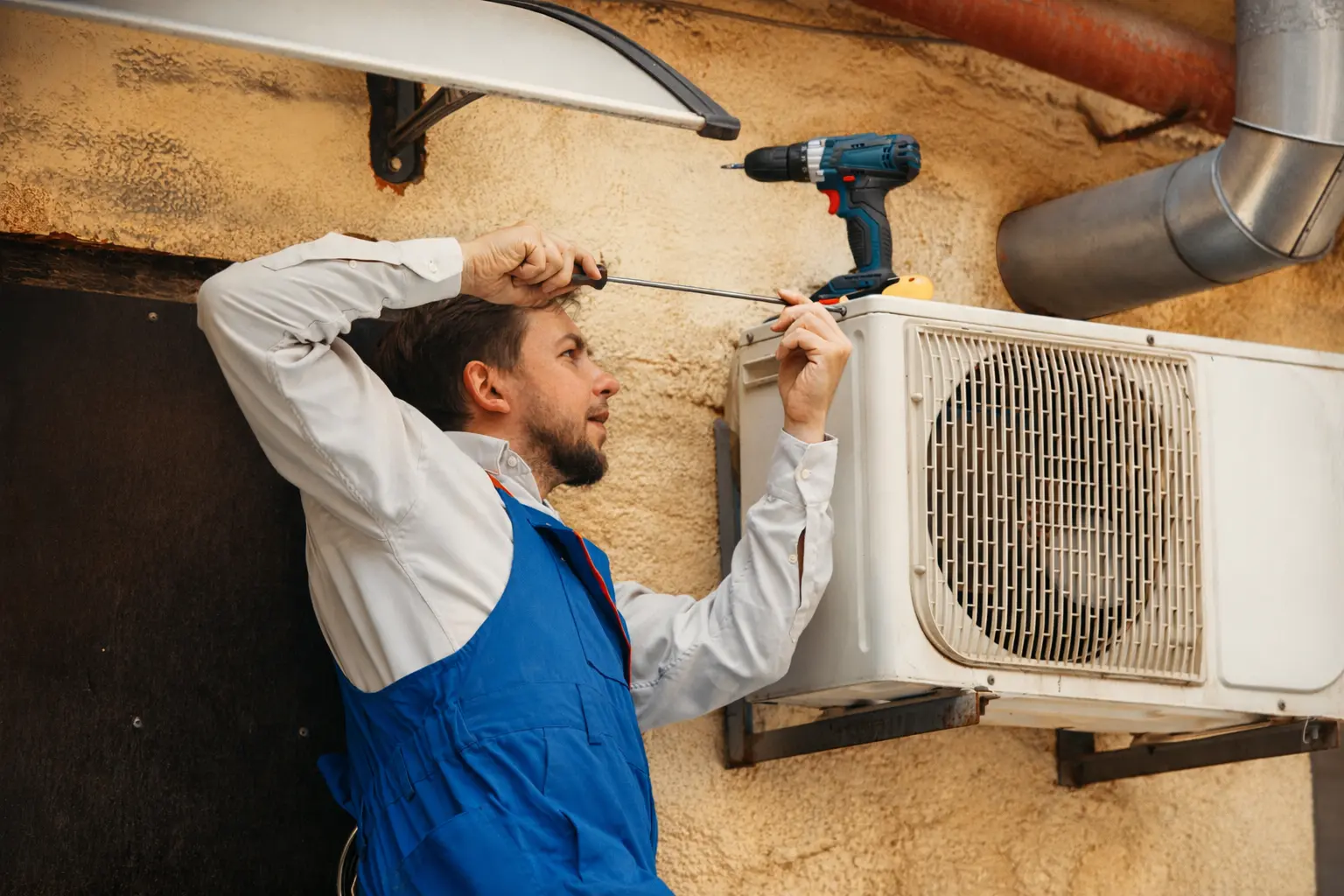
If these DIY fixes don’t fully resolve uneven cooling, it might be time to seek professional help. HVAC technicians can evaluate your system’s performance and inspect ductwork for leaks or blockages that could be affecting airflow. Sometimes, your system might be undersized or improperly installed, requiring upgrades or modifications to meet your home’s specific needs.
Insulation specialists can assess and improve your home’s insulation, targeting areas where heat transfer is a problem. They may recommend adding insulation to walls, attics, or crawl spaces, which can have a dramatic effect on temperature balance and energy efficiency.
In some cases, installing a zoning system or upgrading to a smart thermostat can give you more precise control over temperatures in different parts of your home. These systems use multiple thermostats and dampers in ductwork to regulate airflow to individual rooms, allowing customized comfort and energy savings.