
When it comes to keeping your home comfortable and functional, a reliable hot water system is essential. Whether you are building a new home, replacing an old unit, or upgrading for efficiency, deciding on the right system can feel overwhelming. In Southwest Pennsylvania , where winters can be cold and summers bring family gatherings, having a dependable supply of hot water is crucial. Two popular options for water heaters homeowners often consider are tankless systems and traditional storage models. Each offers unique benefits, and understanding how they operate can help you make an informed choice.
How Traditional Systems Work
Traditional models store a set amount of hot water in a tank, keeping it heated and ready for use throughout the day. These systems are straightforward, and their technology has been around for decades, making them a reliable choice for many households. One of the advantages of a traditional system is its ability to supply hot water to multiple fixtures simultaneously. This is especially beneficial for families with multiple bathrooms or when running appliances like dishwashers and washing machines at the same time.
However, traditional systems also come with some limitations. Because they maintain a reservoir of hot water at all times, energy is used continuously to keep the water heated, even when it isn’t needed. Over time, this can lead to higher utility bills compared to more modern solutions. Additionally, storage tanks take up valuable space and eventually require replacement after many years of use.
Benefits of Tankless Systems
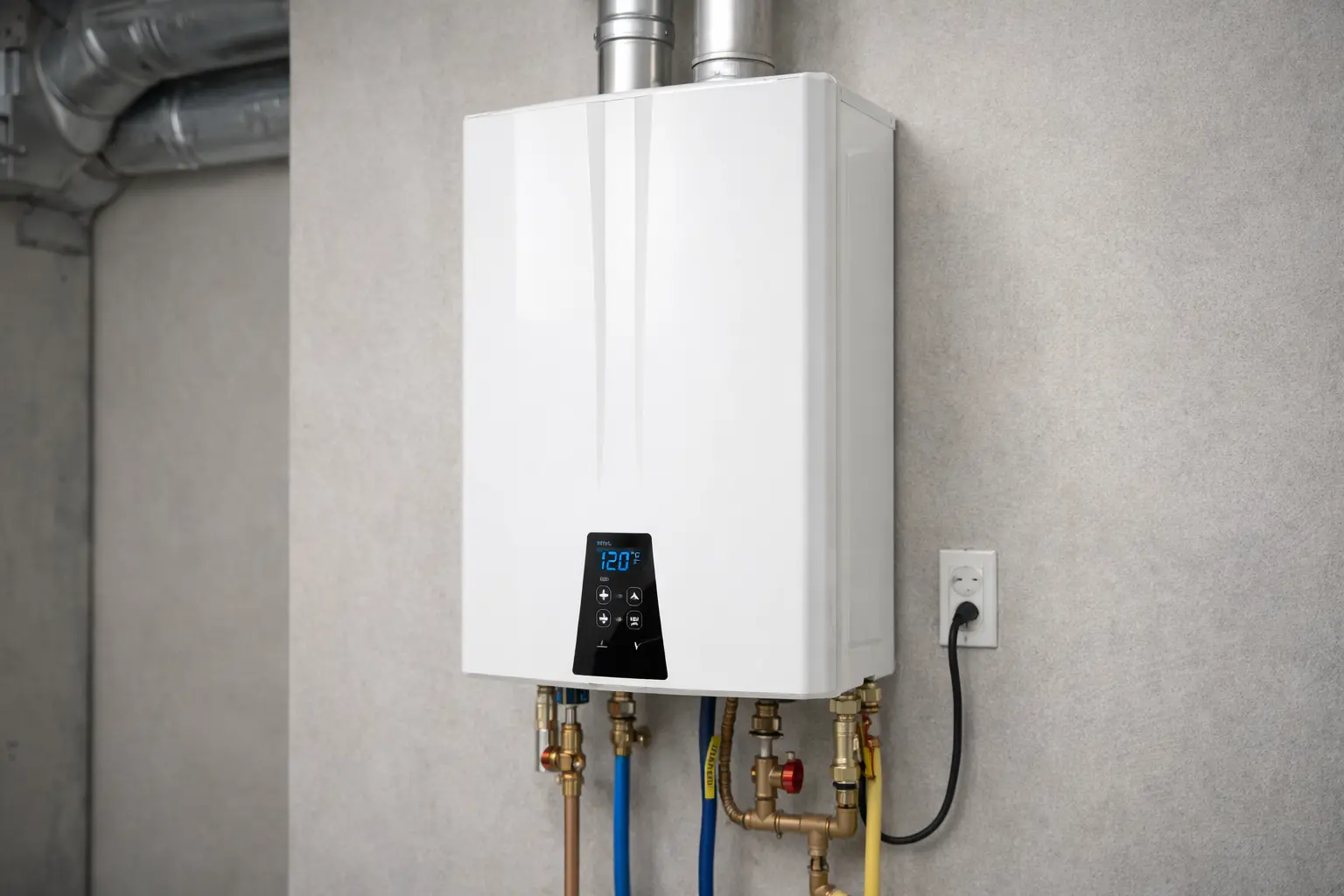
Tankless systems, often called on-demand units, heat water only when it is needed. Instead of storing hot water in a tank, these systems deliver a continuous flow whenever a faucet or appliance is turned on. This design offers several advantages, including energy savings and the potential for a nearly limitless supply of hot water. Because tankless systems do not maintain a heated tank, they are more efficient and can help reduce utility costs over time.
Another benefit of a tankless system is its compact design. These units are often mounted on walls, freeing up space in closets, basements, or utility rooms. While the initial investment may be higher than a traditional model, the long-term savings and extended lifespan often justify the cost for homeowners seeking efficiency and convenience.
Choosing the Right Solution for Your Home
Selecting between tankless or traditional water heater types depends on several factors, including household size, water usage habits, and budget. For families with high simultaneous demand, a traditional system may be simpler and more practical. On the other hand, homeowners looking to save energy and reduce their environmental footprint may find a tankless system more appealing.
Other considerations include maintenance and installation. Traditional systems often have lower upfront costs and are easier to install, while tankless systems require precise sizing and professional installation to maximize efficiency. Consulting with a local Uniontown expert can help you evaluate your home’s needs, recommend the appropriate unit, and ensure proper installation.
In the end, both options provide reliable hot water when properly maintained. Understanding the differences between a tankless system and a traditional model empowers you to choose the solution that best fits your household and lifestyle. With the right system in place, you can enjoy consistent comfort, energy efficiency, and peace of mind for years to come.